Half Marathon
Beginner, intermediate, and advanced plans for 13.1 miles.
Consistency is the foundation of progress.
This is what I’m doing in my own training. I’m sharing the process, not prescribing a training plan for you.
Loading this week’s totals from Strava. Only aggregate mileage and strength-training time are displayed; routes and individual activities are not published.
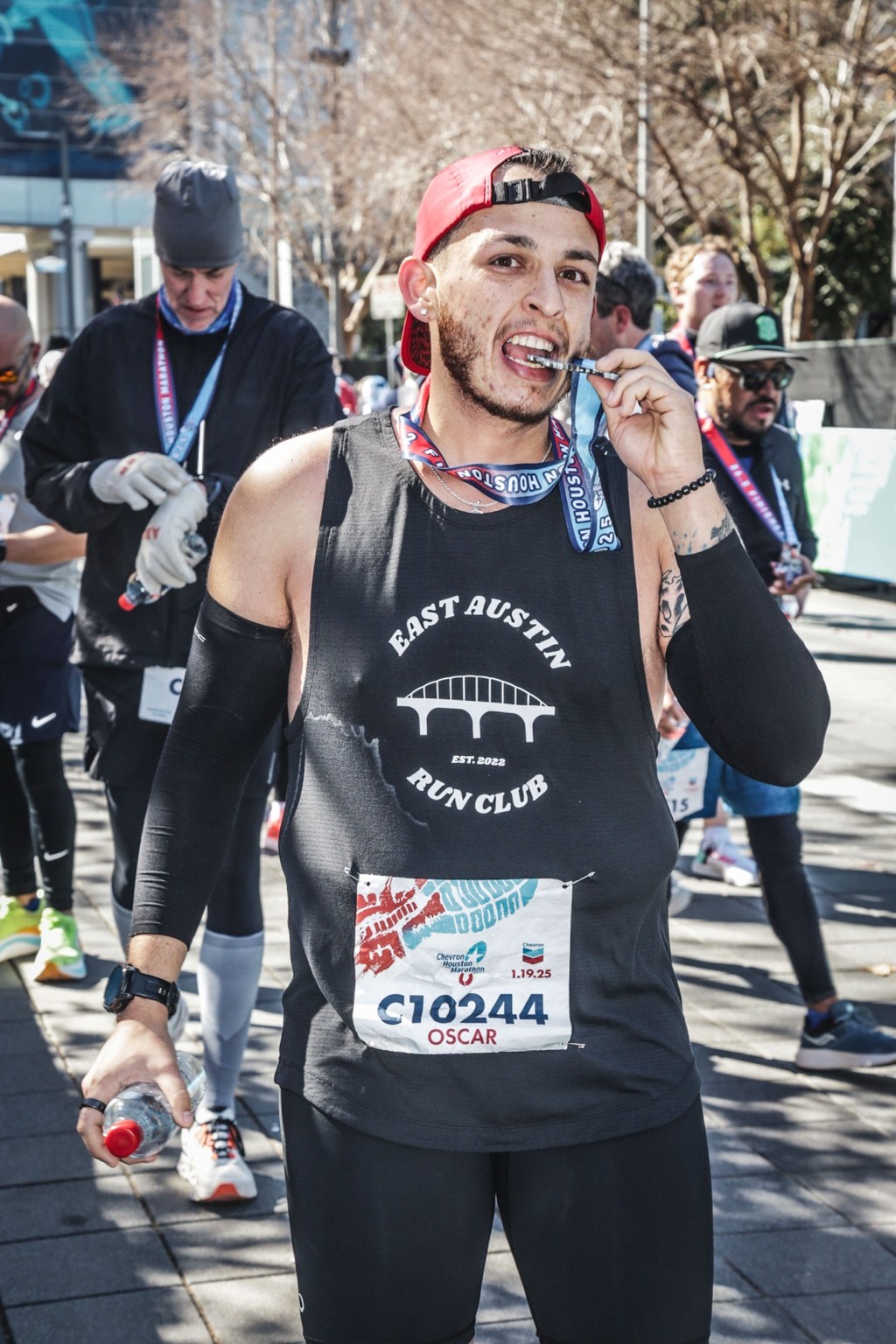
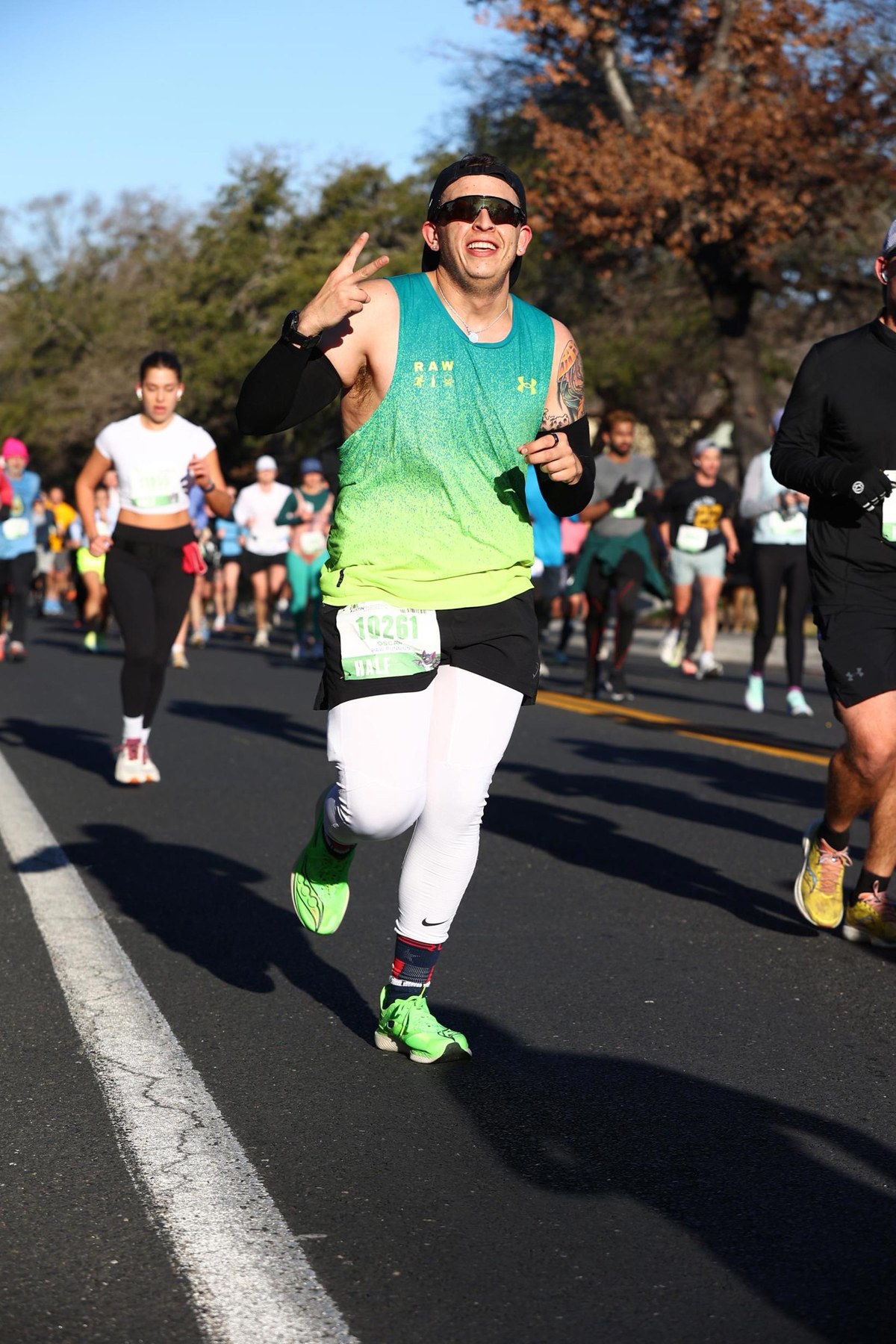
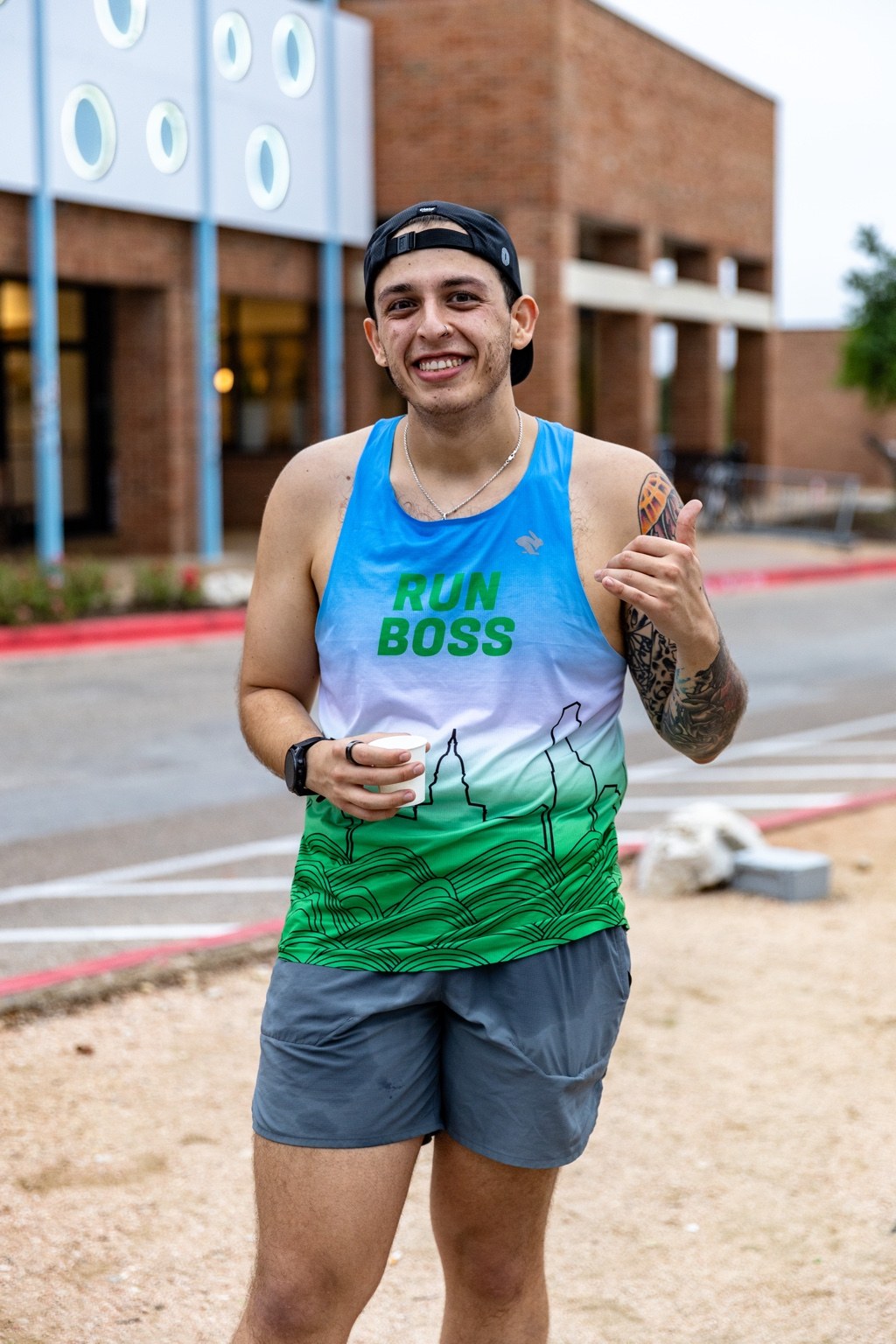
Six 16-week plans cover the half marathon and full marathon at beginner, intermediate, and advanced levels. Each plan includes one controlled speed session and one goal-race-pace session per week, plus easy running, long runs, recovery, cutback weeks, and a taper.
Beginner, intermediate, and advanced plans for 13.1 miles.
Beginner, intermediate, and advanced plans for 26.2 miles.
Each sheet explains the fitness base expected before starting. Pick the plan that matches your current training—not the label you want to reach.
Download all 6 running plans (.xlsx)
These are general training templates, not individualized medical or coaching advice. Adjust for current fitness, recovery, pain, illness, and training history.
Resistance. Control. Mind-muscle connection.
Don’t just move the weight from A to B. Use enough resistance to meaningfully challenge the muscle, control the movement rather than relying on momentum, and deliberately focus on the muscle you are trying to train. That deliberate focus is often called the mind-muscle connection.
The target muscle still needs a meaningful training stimulus. Mind-muscle connection does not replace resistance, effort, volume, or progression.
Move with intent where the muscle is producing force. Slower is not automatically better, and artificially extending every rep is not the goal.
Focus on the target muscle shortening and lengthening instead of only completing the movement. Use that focus as a technique tool—not as a claim that muscle activation automatically equals more growth.
The practical goal is a challenging, controlled rep with good technique—not chasing time under tension for its own sake.
RECOVERY
Recovery is not doing nothing. It is what gives your body and mind a chance to adapt to the work you are already doing. Instead of treating sleep and stress as things you have to “perfect,” focus on reducing friction and building routines you can repeat.
Do not think of sleep as time taken away from productivity. Think of it as part of the training process. A consistent sleep opportunity and enough total sleep generally support recovery, performance, mood, and health.
Useful tools: keep a reasonably consistent wake time, create a short wind-down routine, make the room dark and comfortable, and reduce things that repeatedly interfere with sleep. If one night goes poorly, avoid turning it into a crisis; return to the routine the next night.
The goal is not to eliminate stress. Training itself is a stressor, and everyday life adds more. The useful question is: What can I control right now, and what would help me recover?
Useful tools: a short walk, slow breathing, prayer or reflection, talking with someone you trust, writing down what is occupying your mind, and adjusting training when overall stress is unusually high.
Look for patterns, not perfect days. One bad night or stressful day does not define your recovery. Pay attention to what happens repeatedly and adjust what you can control.
NUTRITION
Stop thinking about a diet as something you temporarily go “on.” Nutrition is something you do for life. Your goals may change - weight loss, maintenance, weight gain, marathon training, strength - but the priority is meeting your health and nutritional needs in a way you can actually maintain.
Convenience can be part of sustainability. A meal does not have to be elaborate to be useful. Frozen vegetables, microwave rice, pre-cooked proteins, Greek yogurt, cottage cheese, and other convenient foods can make it easier to consistently meet your needs.
Generally useful to prioritize for muscle maintenance, recovery, and growth - especially alongside lifting, running, or weight loss.
Generally useful to get consistently through foods such as fruit, vegetables, legumes, and whole grains.
Carbs are useful exercise fuel. Adjust the amount around your overall energy needs and training demands rather than treating them as “good” or “bad.”
Fat is essential. Include enough to support health while fitting it into your overall energy needs rather than automatically pushing intake very high or very low.
What works for me: During periods when my goal is weight loss, intermittent fasting has helped me manage my overall intake. I also adjust my carbohydrate intake with my training—generally eating more carbohydrates around harder or longer workouts and less when my training demands are lower. These are tools that have worked for me, not rules everyone needs to follow.
Do not villainize food. Ask: What does my body need, what am I trying to accomplish, and how can this food fit?
SIMPLE RECIPES
Healthy-enough, useful meals do not need to be complicated. Several of these can take less time than going out to pick up takeout, and they can often cost less per serving. The goal is to reduce friction: simple ingredients, basic equipment, and meals you can repeat.
Start with Protein Oatmeal, Chicken Rice Bowls, Slow-Cooker Salsa Chicken, Greek Yogurt Bowls, Egg & Potato Breakfast Bowls, Easy Chicken Pasta, and the 2-minute Cottage Cheese Power Bowl.
Download the Simple Recipe Guide (PDF)Community is important. The two places where I've found my closest friends are run clubs and church - Red Rocks. Here are some run clubs and the service times for Red Rocks.
These are the run-club times I have. Double-check each club's latest post before heading out, since times and locations can change. All times are Austin local time.
Good Grief
Noble Joe Coffee Co. (Noble Jo's)
7 a.m.
RAW speed workouts
The Mean Eyed Cat
Meet at 6:45 p.m. Workout location varies—check their socials for details.
5RUN2
Kerbey Lane on South Lamar
6:30 a.m.
Endurance Run Club, a Christian run club
Trader Joe's at Seaholm
6:30 a.m.
Desnudo Run Club
Desnudo on Webberville
6:20 a.m. stretch; 6:30 a.m. run.
Fleet Feet at Seaholm
6:30 a.m.
Endorphins Run Club
Better Half
7:15 a.m.
The Coffee Run Club with Maddie and Corwin
8 a.m.
Sunday services: 8 a.m., 10 a.m., noon, 4 p.m., and 6 p.m.
Cornerstone is a new church launching in January 2027. It is led by married couple Connor and Erin.
Follow along for launch updates and ways to connect.